Current Temperature


 Log In


Trade prairie views for quiet lakes this summer: Lakeland Canoe Circuit
Posted on June 3, 2026 by Nerissa McNaughton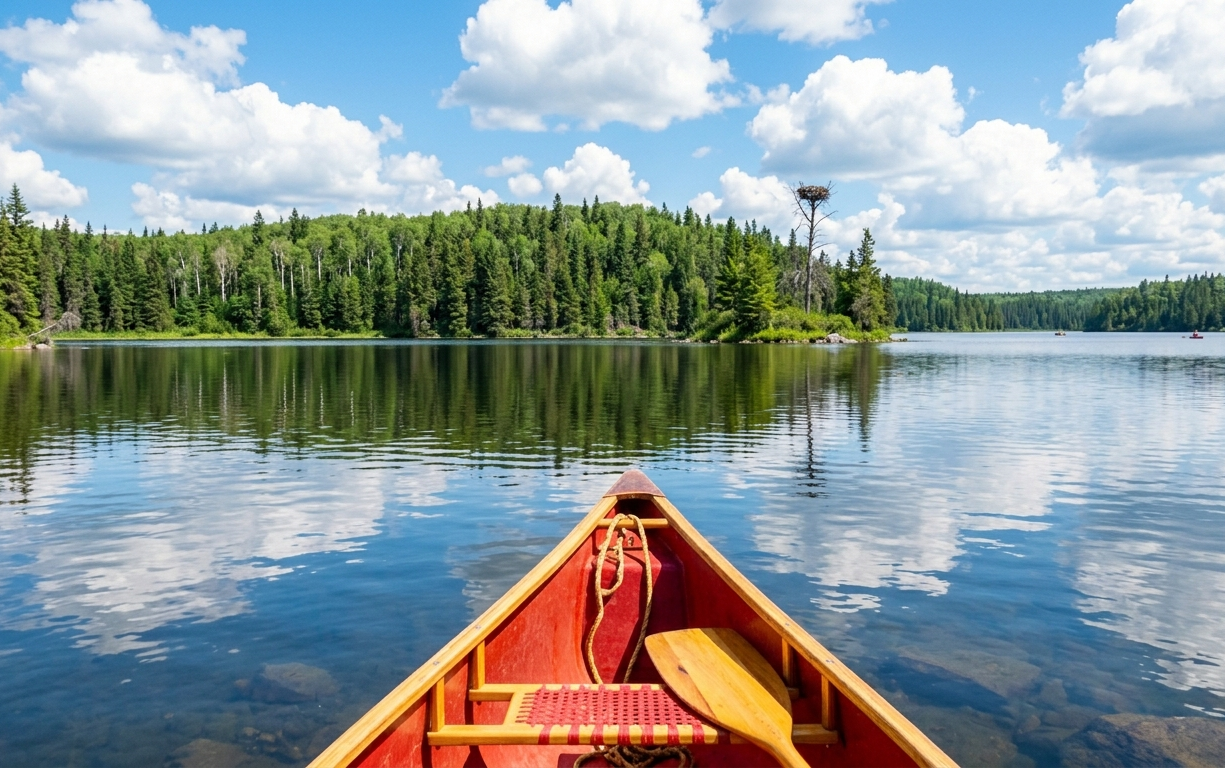
Choose a new type of adventure this summer. Paddle the Lakeland Canoe Circuit.
If you live in Alberta, you already know the province delivers big outdoor experiences. You can spend a day in the Rockies, hike through coulees, camp in open prairie, or chase wide skies that seem to stretch forever. But if your usual summer trips feel a little too familiar, there is another side of Alberta worth exploring.
The dry grasslands and mountain views give way to dense boreal forest, quiet lakes, and long stretches of water where the loudest sound might be a loon calling across the shoreline. That is where you will find the Lakeland Canoe Circuit, one of Alberta’s best backcountry paddling trips and a smart choice for Southern Albertans who want something different from the usual getaway.
This guide breaks down what makes the Lakeland Canoe Circuit special, why it is worth the drive, and how to plan a safe and memorable multi-day paddling adventure. If you want fewer crowds, more solitude, and a fresh way to experience Alberta, this route deserves a spot on your summer list.
The Lakeland Canoe Circuit Offers a Very Different Kind of Trip
The Lakeland Canoe Circuit is one of Alberta’s best-known backcountry paddling routes, but it still feels like a hidden gem compared with the province’s busier outdoor destinations. Instead of alpine peaks and busy day-use areas, you get a 38-kilometre water trail in Lakeland Provincial Park, just east of the hamlet of Lac La Biche. The route links several lakes in a loop that most paddlers complete in three to four days.
The shoreline is thick with spruce, pine, and aspen. Campsites sit on strategic points. You have a much better chance of finding the kind of quiet that is hard to come by in more popular summer spots.
One of the most famous features is the portage cart system. At major portages, the park provides special canoe carts so you can wheel your canoe and gear between lakes instead of carrying everything on your back. That is a major advantage on a multi-day trip and makes the circuit more accessible for paddlers who want a rugged experience without the strain of repeated heavy carries.
Backcountry Without Giving Up All Comfort
The idea of a multi-day paddling trip can sound intimidating, especially if most of your camping experience has been in front-country campgrounds or quick overnight trips. One of the best things about Lakeland Provincial Park is that it softens that learning curve.
The campsites along the circuit offer practical amenities that make life easier in the back country. Many sites include:
- fire pits
- firewood
- picnic tables
- backcountry pit toilets
That combination gives you a more comfortable base at the end of each paddling day. You still get the remote setting and the satisfaction of earning your campsite by canoe, but you are not starting from absolute zero once you pull ashore.
Planning Your Multi-Day Paddling Adventure
A trip like this does take planning. The route is more approachable than some backcountry paddles, but it is still a wilderness trip. Conditions can shift quickly, and being prepared matters.
The main paddling season runs from late May through September. Each part of the season has its own strengths.
June brings long daylight hours and lush green scenery. Early summer can be a beautiful time to paddle, especially if you enjoy vibrant forest landscapes and extended evenings around camp. The trade-off is bugs! Expect more mosquitoes at this time of year.
These are the warmest months and often the best for swimming, relaxed camp routines, and classic summer paddling conditions. They are also the busiest months, so it is smart to arrive early if you want the best campsite options.
September is ideal for paddlers who want cooler air, fewer bugs, and excellent fall colour. The boreal forest can turn into a mix of gold and orange, which gives the route a completely different feel. The downside is colder nights, so bring a warmer sleeping setup and prepare for more variable weather.
The Lakeland Canoe Circuit is manageable for many paddlers, but it is still important to respect the conditions. Wind can build quickly on larger lakes. If you start seeing whitecaps, stay close to shore or pull over and wait. A delayed crossing is better than a risky one.
Always wear a properly fitted Personal Flotation Device (PFD) while on the water. This is not the place to treat safety gear as optional. Before leaving, share a float plan with a trusted friend or family member. Include your route, planned campsites, and exact return date. Cell service becomes unreliable once you leave the staging area, so a satellite communication device is a wise addition for emergencies.
Ready, Set…Paddle!
For Southern Albertans looking to trade crowds for calm and familiar scenery for something new, this route is an easy choice. Gather your gear, map your route, and make the trip. The quiet lakes and deep forest are waiting for you.
How to get from Lac La Biche to the Jackson Lake Staging Area:
Nerissa McNaughton is a freelance writer and a contributor to Alberta Newspaper Group. This story was written for the Alberta Newspaper Groups Sunny Escapes Guide advertising feature. Sunny Escapes is a special feature about things to do in Alberta this summer. Activities like, staycations, road trips, camping, and other adventures including local attractions, events and food & beverage destinations across Alberta. It is not written by and does not necessarily reflect the views of the editorial staff.
Leave a Reply
You must be logged in to post a comment.